

The challenge
The unit had to be cleared and handed back, and what was left in it ranged from ordinary bulky waste to drums and tins of part-used product that had to be identified before any of it could be coded.
Clearing a building like this as a single mixed stream is the expensive answer twice over: it pays a hazardous rate on material that is not hazardous, and it puts material that is into containers that were never described to hold it.
What we arranged
We worked through the unit stream by stream, identifying and coding the chemical stock separately from the general and bulky waste, and put segregation in place before any container arrived.
Each stream was then routed to a facility permitted to accept it, through carriers we appointed and checked, with hazardous movements consigned and the rest on transfer notes.
The result
The unit was cleared and handed back. The duty-of-care file went back with it, as it does on every project: a note for every movement, the classification behind every code, and confirmation of the facility that received each stream.
On site
-
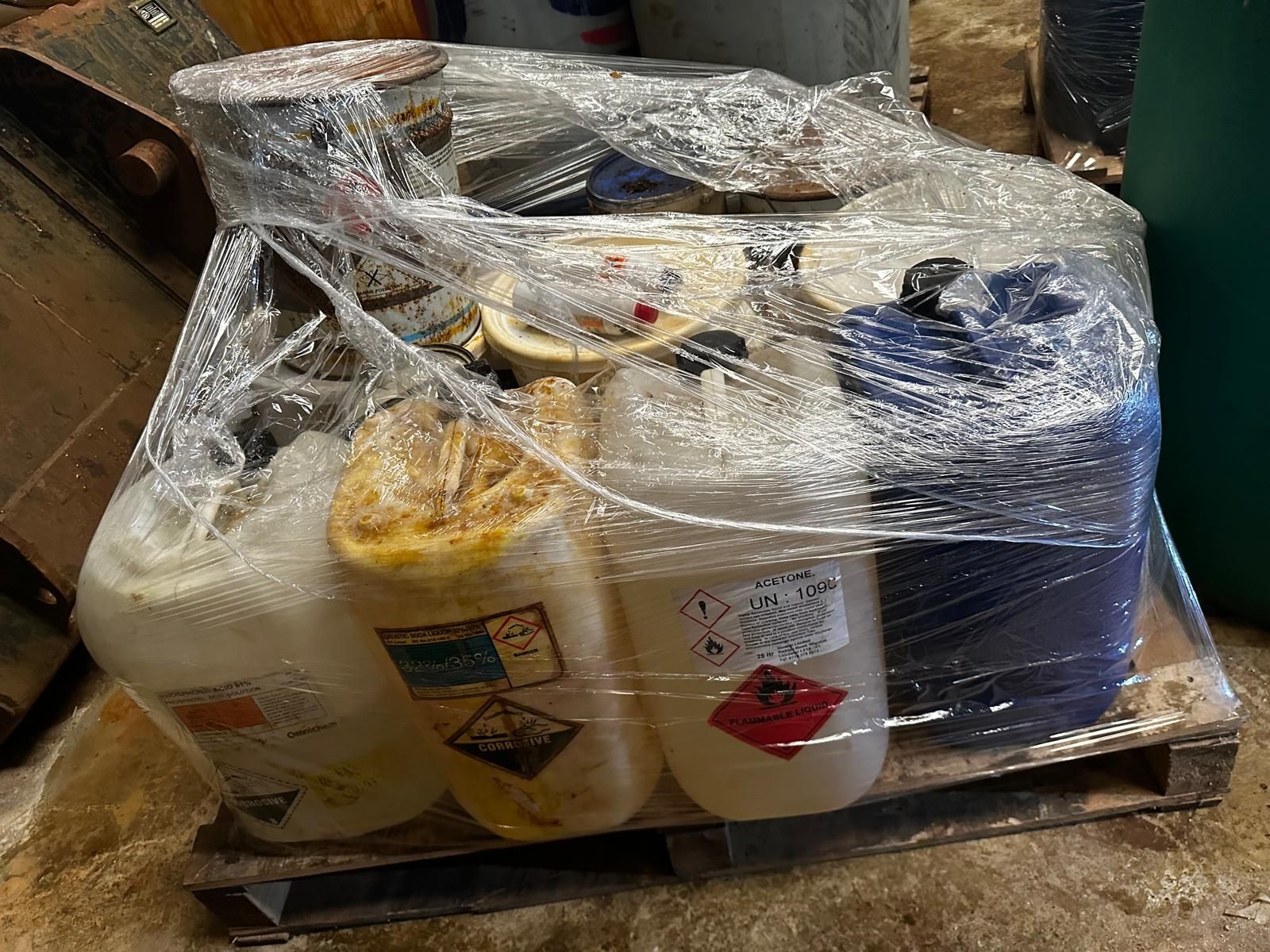
Part-used chemical stock, identified and palletised separately from the general waste. -
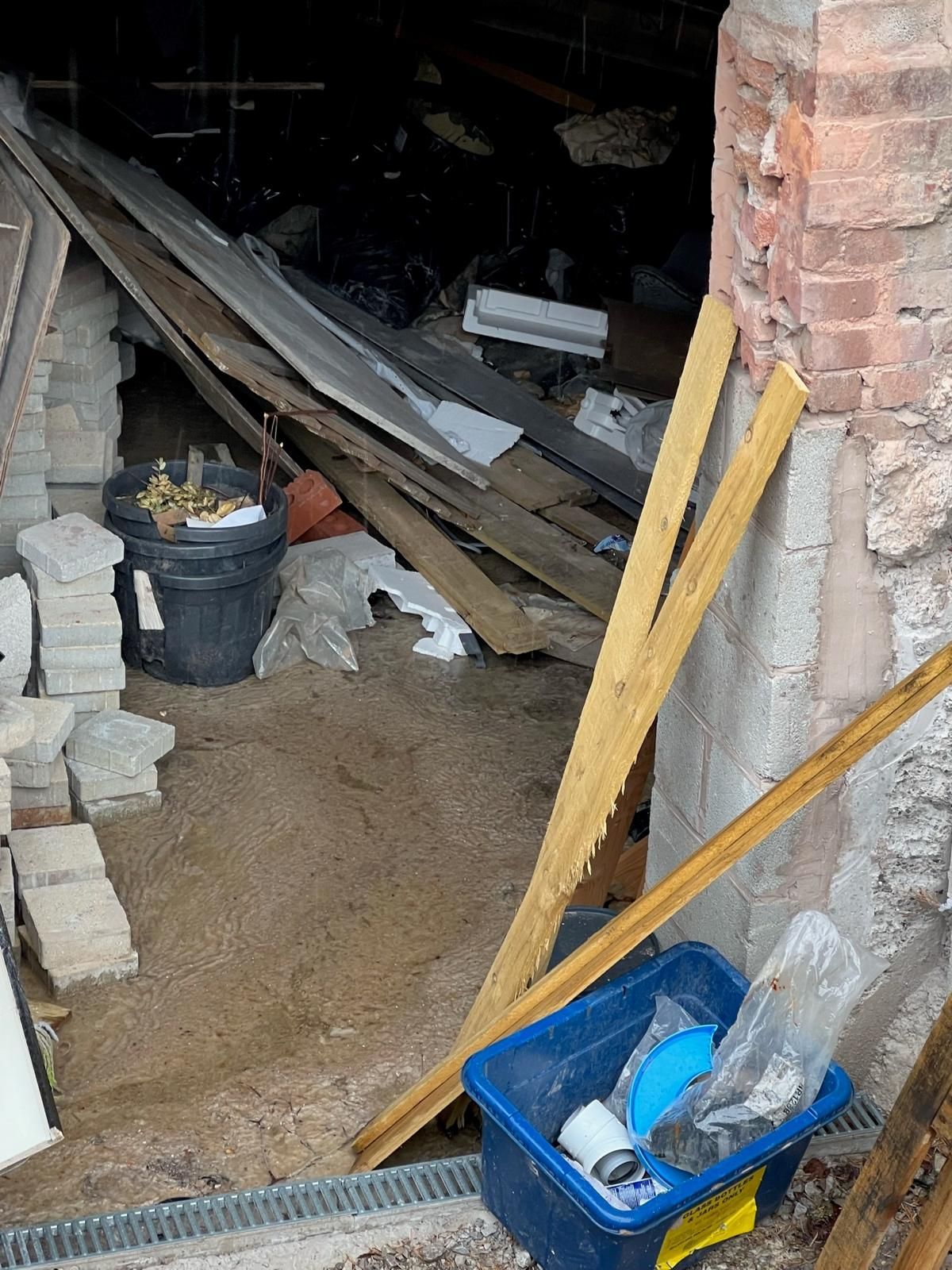
The unit after clearance, ready to be handed back.


